
The Girl Who Dreamed of a Different Life
New York City, 1988.
The city never really slept. Beneath the bright lights of Manhattan and the glamour sold to tourists, another world came alive after dark—a world created by people who had been rejected, overlooked, and pushed to society’s margins.
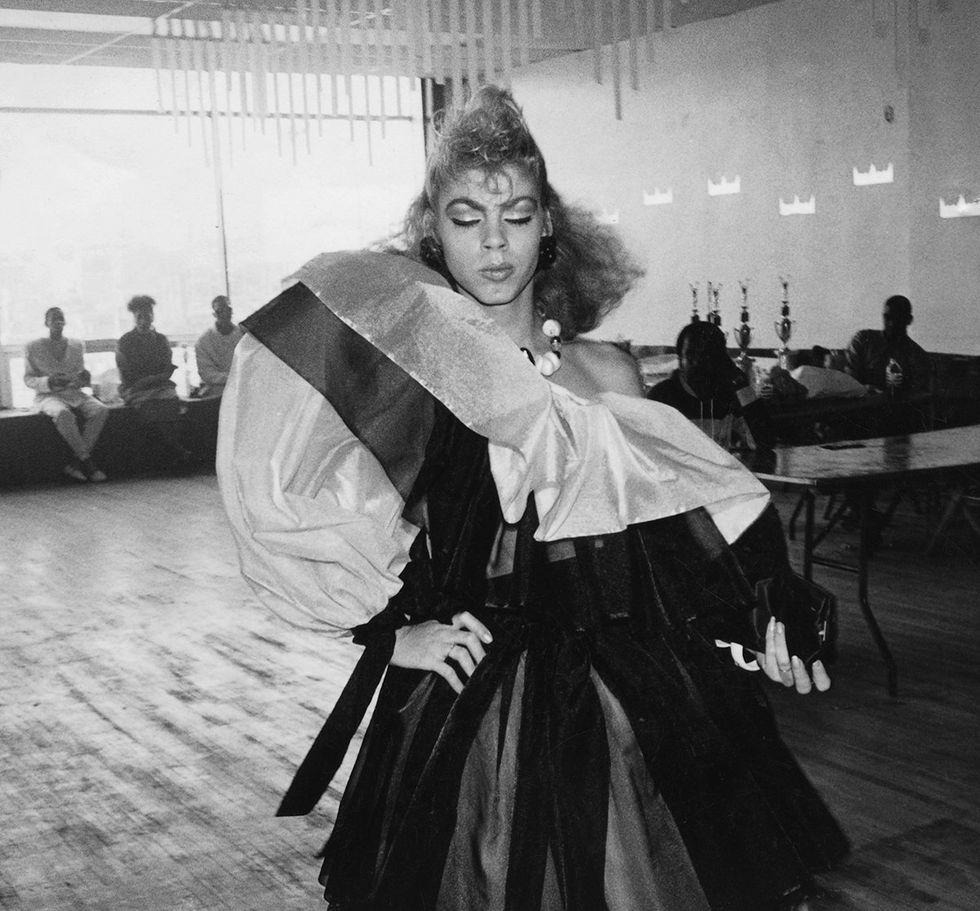
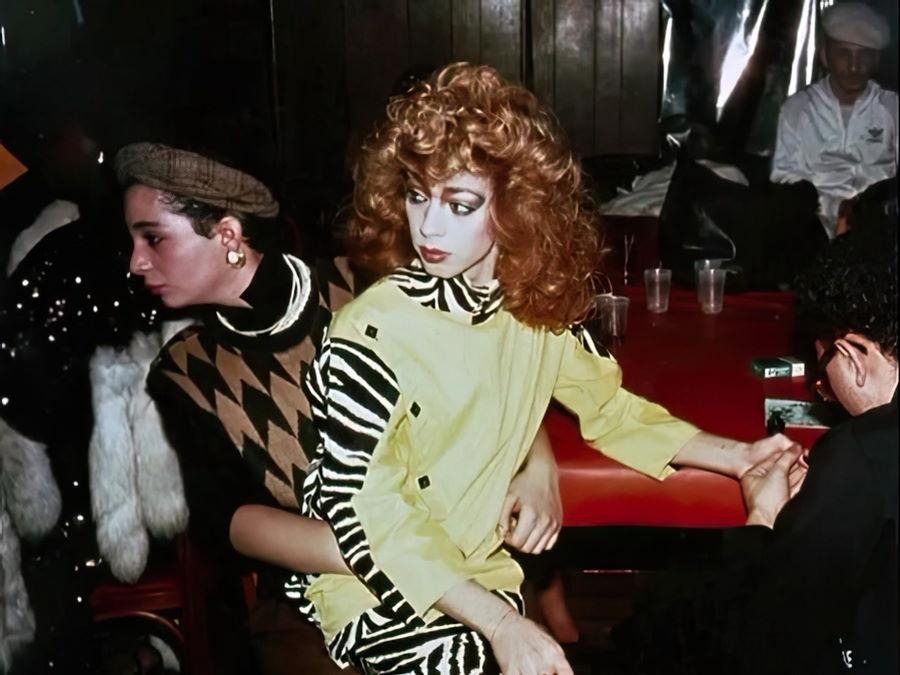
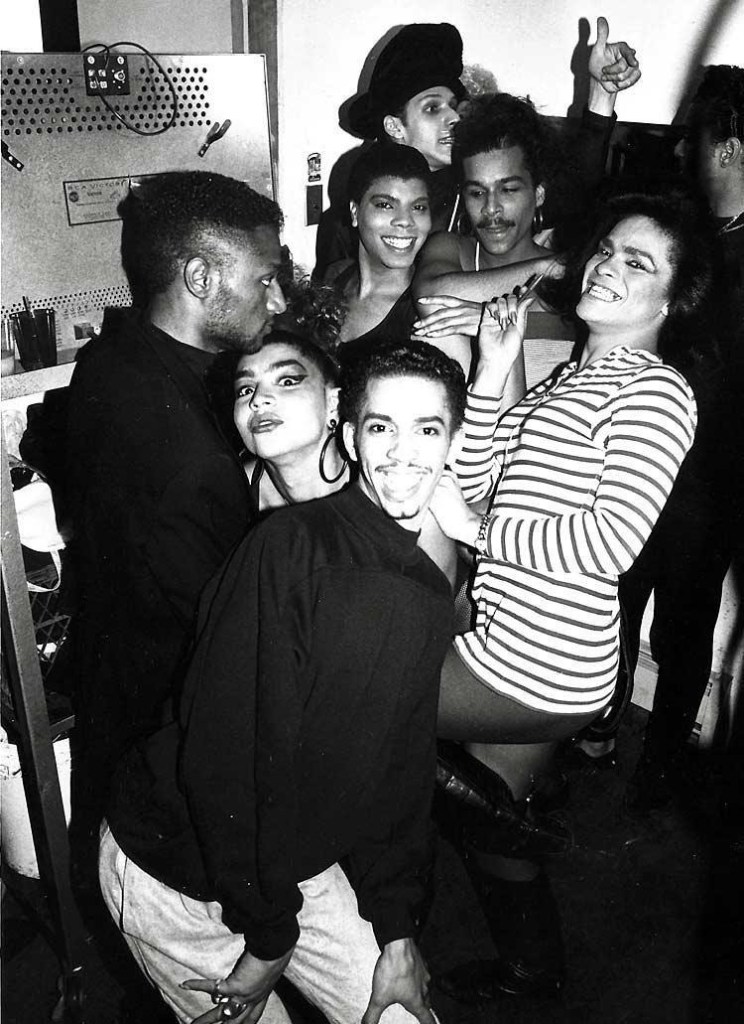
It was a world of music, fashion, performance, and survival.
And in that world, one young woman stood out.
Venus Xtravaganza was beautiful, charismatic, funny, and ambitious. She dreamed of becoming a model. She dreamed of falling in love. She dreamed of owning a home and living openly as the woman she knew herself to be.
Many people would later meet Venus through the landmark documentary Paris Is Burning, which chronicled New York City’s ballroom culture during the 1980s. In the film, Venus speaks candidly about her hopes for the future and the challenges she faced as a transgender woman trying to build a life in a world that often denied her basic dignity.
Watching those scenes today is heartbreaking.
Because we know something Venus did not.
She was running out of time.
A Murder Hidden Beneath a Mattress
Then Venus vanished.
In December 1988, the vibrant young woman who had spent years fighting to create a future for herself suddenly disappeared. Friends from the ballroom community began asking questions.
Where was Venus?
Why wasn’t she showing up?
Why wasn’t she calling?
Days passed.
Then came the discovery that would forever haunt those who knew and loved her.
Inside a Manhattan hotel room, Venus Xtravaganza was found dead.
The scene was devastating.
Investigators determined that she had been bound and strangled. After her murder, someone concealed her body beneath a mattress, as if hiding her away could somehow erase what had happened.
But Venus could never be erased.
She was only 23 years old.
Imagine that moment for the people who loved her. Just days earlier, Venus had been talking about modeling, marriage, and building a life where she could finally feel accepted. She had dreams that stretched far beyond the ballroom scene.
Then, without warning, those dreams ended in a lonely hotel room.
The brutality of the crime was shocking. The decision to hide her body afterward suggested an offender focused not on remorse, but on avoiding responsibility for what he had done.
For members of the House of Xtravaganza, the loss was devastating. They had built a family together in a world that often rejected them. Now one of their brightest stars was gone.
A homicide investigation began.
Answers never came.
The person responsible walked away.
More than three decades later, nobody has been convicted of Venus’s murder.
What remains is a crime scene frozen in time, a stolen future, and a question that continues to echo through generations:
Who killed Venus Xtravaganza?
The World Venus Lived In
To understand why this case remains unsolved, we must understand the world Venus was navigating.
The late 1980s were a dangerous time for transgender women.
Violence often went unreported. Victims were frequently misidentified or forgotten. Cases involving transgender victims rarely received the attention they deserved. Many investigations lacked urgency because society itself often failed to value the lives of those who had been pushed to the margins.
Venus understood those dangers.
Yet she refused to stop dreaming.
That is one reason her story continues to resonate decades later.
When audiences watch Paris Is Burning, they do not see someone consumed by fear. They see a young woman imagining a better future. She talks about love. Beauty. Success. She talks about wanting what so many people take for granted: the chance to belong.
Knowing what happened afterward makes those scenes almost unbearable.
There is a tragic irony in hearing Venus describe the life she wanted while knowing she would never have the opportunity to live it.
For investigators, the era created enormous challenges.
DNA technology was still in its infancy. Surveillance cameras were uncommon. Cell phones did not exist in the way we know them today. Digital records, GPS data, social media activity, and modern forensic databases were decades away.
A killer operating in 1988 had advantages that would be nearly impossible today.
And if mistakes were made during those first critical days, those mistakes may have followed the case forever.
Renewed Attention and New Questions
For years, the investigation sat largely dormant.
Then something remarkable happened.
More than three decades after Venus’s death, renewed attention from her biological family, members of the House of Xtravaganza, advocates, and filmmakers helped bring the case back into public view.
The documentary I’m Your Venus follows efforts to honor Venus’s life while pushing for answers in her murder.
The renewed attention reportedly led investigators to reexamine evidence and revisit long-standing questions surrounding the case.
One of the most intriguing developments involved a man who allegedly confessed to involvement in Venus’s death.
But the confession created more questions than answers.
According to reporting surrounding the documentary, forensic testing reportedly failed to conclusively support his claims. Questions remained about evidence, timelines, and whether the confession itself was genuine.
Was it a real confession?
A false confession?
Or someone attempting to attach himself to a notorious unsolved crime?
The answers remain elusive.
Investigative Analysis: Alternative Theories
As a Criminal Justice major, several possibilities stand out beyond the commonly discussed explanation.
Theory 1: A Client Who Panicked
This remains the most widely accepted theory.
Venus occasionally engaged in sex work to survive. A client may have discovered she was transgender and reacted violently.
Sadly, similar crimes have occurred across the United States and often stem from prejudice, fear, or rage.
Strengths
- Fits known patterns of violence against transgender women.
- Explains the hotel setting.
- Explains why the offender may have fled immediately afterward.
Weaknesses
- No identified suspect.
- No publicly known evidence directly links a client to the murder.
Theory 2: Someone She Already Knew
Many cold cases focus heavily on strangers while overlooking acquaintances.
Venus was deeply connected to New York’s ballroom and nightlife communities. She may have willingly entered the hotel room with someone she trusted.
If that happened, witnesses may not have viewed the encounter as suspicious.
Strengths
- Statistically, victims are often harmed by someone they know.
- Could explain the absence of forced entry.
Weaknesses
- No publicly available evidence identifies such a person.
Theory 3: More Than One Person Was Involved
The concealment of Venus’s body raises questions.
Moving and hiding a body beneath a mattress is not necessarily easy, especially in a hotel environment where discovery is a constant risk.
Could another person have helped?
Could someone have witnessed events and remained silent?
Strengths
- Accounts for the concealment.
- Could explain decades of silence if multiple people shared knowledge.
Weaknesses
- No public evidence currently supports multiple offenders.
Theory 4: The Truth Was Lost With the Evidence
Perhaps the most frustrating theory is also the simplest.
The murder occurred in 1988.
Witnesses moved away.
Memories faded.
Evidence may have been mishandled, contaminated, or lost.
Many cold cases remain unsolved not because investigators are incapable of finding the truth, but because the truth was buried long ago beneath missing evidence and forgotten details.
Strengths
- Consistent with numerous cold cases from the era.
- Explains why renewed investigations still struggle to identify a suspect.
Weaknesses
- Nearly impossible to prove.
Why Venus Still Matters
Nearly four decades have passed since Venus was murdered.
For many victims, time slowly erases public memory.
That never happened here.
Part of the reason is that Venus left behind something many cold-case victims never had:
Her own voice.
When viewers watch Paris Is Burning, they are not looking at a faded photograph or reading an old newspaper article.
They are meeting Venus herself.
They hear her laugh.
They hear her dreams.
They see her confidence.
They see a young woman trying to build a future in a world that often told her she did not deserve one.
That makes her loss feel immediate, even today.
She is remembered not only as a homicide victim.
She is remembered as a daughter.
A sister.
A member of the House of Xtravaganza.
A pioneer of ballroom culture.
A young woman whose life was cut short before she could discover who she might become.
Every documentary, article, and renewed investigation serves as a reminder that this case is about more than finding a killer.
It is about restoring dignity.
It is about honoring a life that mattered.
And it is about answering a question that has remained unresolved since a cold December night in 1988.
Someone knows what happened in that hotel room.
Someone has carried that secret for nearly four decades.
Until that truth is uncovered, the story of Venus Xtravaganza remains unfinished.
Sources
- Paris Is Burning
- I’m Your Venus
- Entertainment Weekly reporting on the reopened investigation
- Tribeca Film Festival documentary materials
- Historical reporting regarding recognition of Venus’s childhood home
- Interviews with members of the House of Xtravaganza
If you have information about the 1988 murder of Venus Xtravaganza, contact the New York City Police Department (NYPD) at (646) 610-5000
“Some stories fade into history. Others wait in the dark for justice. Venus Xtravaganza’s story is still waiting.”
Until Every Case is Solved


Leave a comment