Fox 45 News
NBC News

Epiphany of Baltimore
Some cases fade with time. Others become part of the culture.
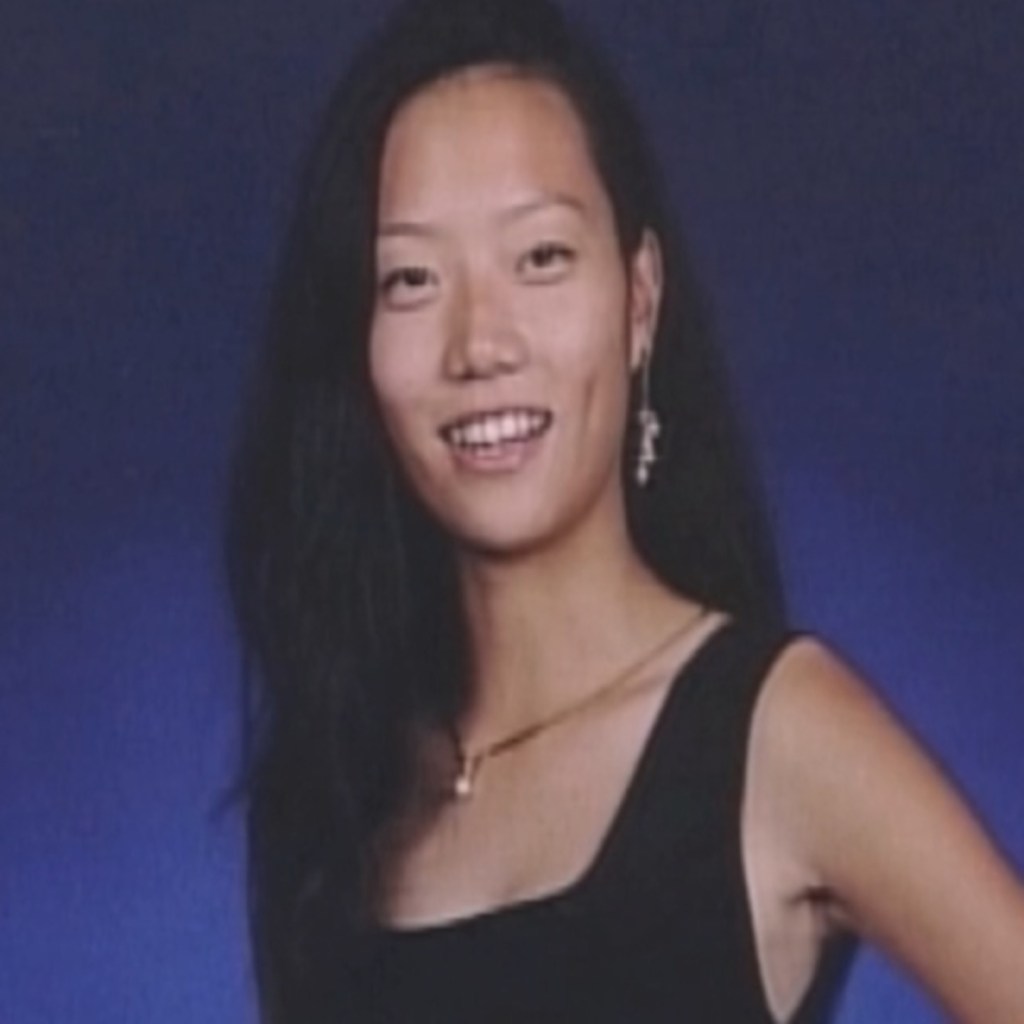
The murder of Hae Min Lee is one of those cases. More than two decades after her death, people still debate what happened to her, who was responsible, and whether the criminal justice system got it right. The case exploded into public consciousness after the podcast Serial reexamined the conviction of Adnan Syed, but beneath the headlines and theories is the story of an 18-year-old girl whose life ended violently and whose family has spent years trapped between grief and controversy.
Hae Min Lee disappeared on January 13, 1999, after leaving school in Baltimore County, Maryland. She was supposed to pick up her younger cousin later that afternoon, something friends and family said she would never intentionally miss. When she failed to arrive, concern quickly turned into panic. Nearly a month later, her body was discovered partially buried in Leakin Park. The medical examiner ruled her death a homicide caused by manual strangulation (The Baltimore Sun, 1999; NPR, 2014).
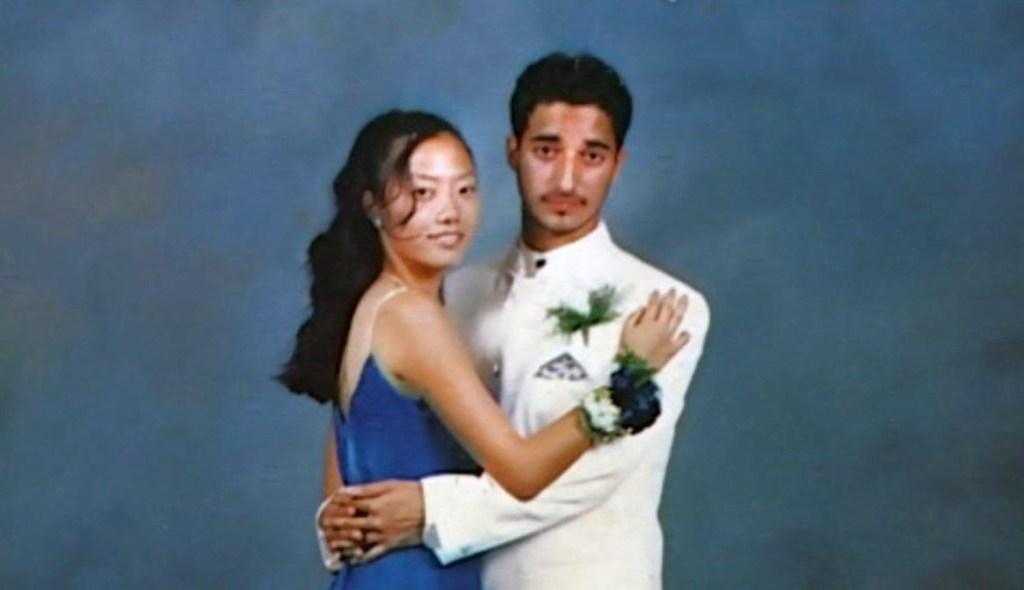
Investigators soon focused on Hae’s ex-boyfriend, Adnan Syed. Prosecutors argued that Syed killed Hae following their breakup and later buried her body with the assistance of Jay Wilds, an acquaintance who eventually testified against him in court. In 2000, Syed was convicted of first-degree murder and sentenced to life in prison plus 30 years (The Baltimore Sun, 2000).
The Story That Never Fit Perfectly
NYPR
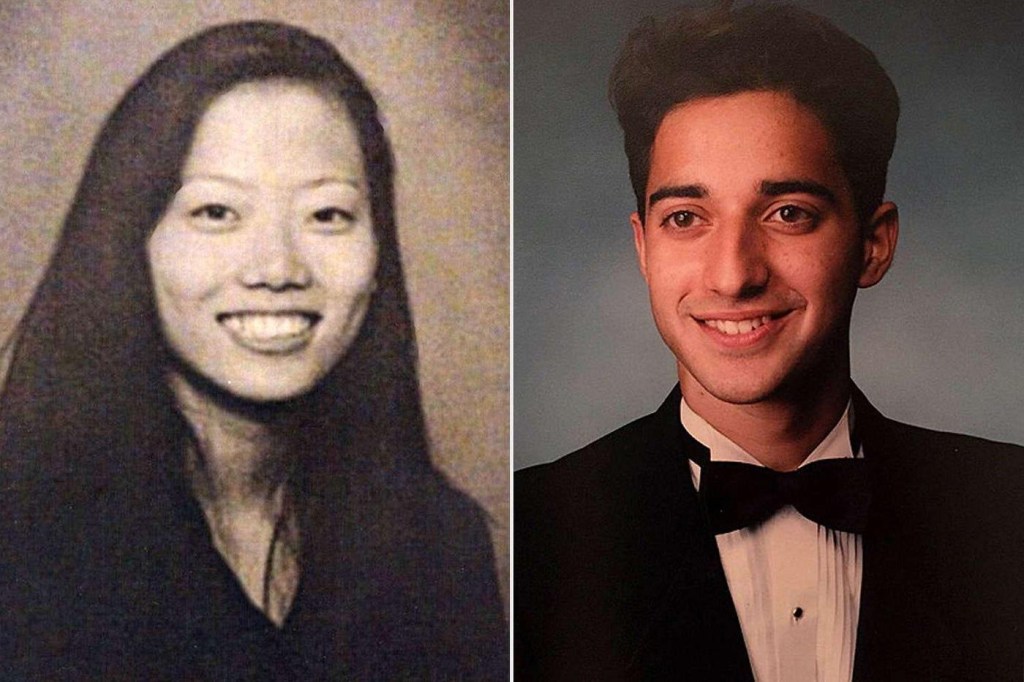
Even before the case became internationally known, questions surrounded the prosecution’s timeline. Prosecutors argued that Hae was killed shortly after school and buried later that evening, but over the years several pieces of the case began drawing scrutiny. Cell phone tower evidence used during trial was later challenged by experts, witness statements evolved over time, and key details surrounding the timeline became increasingly difficult to fully reconcile (NPR, 2016; The New York Times, 2022).
When Serial premiered in 2014, millions of listeners became absorbed in those inconsistencies. Some believed Syed was clearly guilty, while others became convinced he had been wrongfully convicted. The case evolved into something much larger than a murder investigation. It became a national discussion about memory reliability, police tunnel vision, prosecutorial conduct, and the possibility of wrongful convictions within the criminal justice system.
In 2022, Baltimore prosecutors moved to vacate Syed’s conviction, citing concerns involving undisclosed evidence and alternate suspects who had not been fully explored during the original investigation. DNA testing conducted on several pieces of evidence also failed to identify Syed (Associated Press, 2022; CNN, 2022). Although charges against him were later dropped, legal disputes surrounding the case have continued through appeals and procedural reviews.
And still, the central question remains unanswered: who killed Hae Min Lee?
New Theories About What Happened to Hae Min Lee
Many theories surrounding this case have circulated online for years, but most repeat the same arguments. Looking at the investigation from a broader criminal justice perspective, there are several lesser-discussed possibilities worth examining.
Theory 1: Investigators Built the Case Around a Timeline That Was Never Fully Certain
One of the biggest assumptions in the case is that Hae was killed almost immediately after school ended. But because her body was not discovered for several weeks, determining an exact timeline was always difficult. If investigators became too focused on narrowing the timeline early in the case, they may have unintentionally shaped the investigation around assumptions rather than confirmed evidence.
If Hae remained alive longer than prosecutors originally believed, even by a few hours, it would significantly alter the structure of the state’s theory. Witness recollections become less definitive, cell phone evidence becomes less persuasive, and several critical moments suddenly lose clarity. It is possible Hae met with someone voluntarily after leaving school before something turned violent later that day. That possibility dramatically widens the range of scenarios investigators should have considered.
Theory 2: Someone Else May Have Used the Breakup to Redirect Suspicion
Statistically, former romantic partners are often investigated first in homicide cases involving young victims. Investigators naturally focused on Adnan Syed because of the recent breakup and his close connection to Hae’s daily life. But that immediate focus may also have unintentionally created an opportunity for another individual to avoid scrutiny.
If another person harmed Hae, they may have recognized that suspicion would immediately center on Syed. That possibility could explain why certain parts of the case feel fragmented or contradictory. Some observers have questioned whether Jay Wilds possessed more knowledge than he admitted publicly or whether his involvement developed after the crime rather than before it. In cases involving teenagers, fear, panic, and police pressure, witness statements can evolve as individuals attempt to protect themselves or make sense of traumatic events.
Another possibility rarely discussed is that multiple people may have possessed separate pieces of information without fully understanding the entire crime. Someone may have helped move a vehicle, conceal evidence, or protect another person without initially realizing the full seriousness of what had happened.
Theory 3: The Killer Was Never Part of Hae’s Immediate Social Circle
The investigation became heavily centered around Syed and his friends very early on. While that focus may have seemed logical, it may also have narrowed the suspect pool too quickly. Leakin Park had already developed a reputation as a dumping ground in several homicide investigations, raising the possibility that the individual responsible may have been familiar with the area and experienced in avoiding detection.
Court filings released years later referenced alternate suspects with histories of violence or alleged threats toward Hae (The New York Times, 2022). If Hae encountered someone outside her immediate social circle after leaving school, her disappearance may have been opportunistic rather than deeply personal. In that scenario, the placement of her car becomes even more important, and the lack of direct physical evidence connecting Syed to the burial site becomes more difficult to overlook.
This theory does not prove Syed innocent, but it raises important questions about whether investigators became locked onto a single suspect too early and stopped fully exploring alternative possibilities.
The Problem With High-Profile Cases
One of the most troubling aspects of the Hae Min Lee case is how easily the victim herself became overshadowed by the public debate. Over time, the internet transformed the case into opposing camps arguing guilt versus innocence. But Hae was more than evidence in a courtroom or the subject of a podcast. Friends and family described her as intelligent, athletic, ambitious, and deeply loved by those around her (NPR, 2014).
Cases like this reveal something uncomfortable about modern true crime culture. The louder the public discussion becomes, the easier it becomes for narratives and theories to overshadow the actual victim.
After years of podcasts, documentaries, appeals, and online investigations, there is still no explanation that satisfies everyone.
Maybe there never will be.
But one fact remains unchanged: someone killed Hae Min Lee.
And whether the right person was convicted or not, her story is still unfinished.
If you have any information on the murder of Hae Min Lee you can contact the Baltimore City Police Department Homicide Division at 410-396-2100
References
- Associated Press. “Prosecutors Drop Charges Against Adnan Syed.” 2022. https://apnews.com
- CNN. “Adnan Syed Case Developments and DNA Evidence.” 2022. https://cnn.com
- NPR. “Serial and the Case Against Adnan Syed.” 2014. https://npr.org
- NPR. “Cell Tower Evidence Questioned in Adnan Syed Case.” 2016. https://npr.org
- The Baltimore Sun. “Hae Min Lee Investigation Coverage.” 1999–2000. https://baltimoresun.com
- The New York Times. “Adnan Syed Conviction Vacated.” 2022. https://nytimes.com
- Serial Podcast Official Website. https://serialpodcast.org


Leave a comment