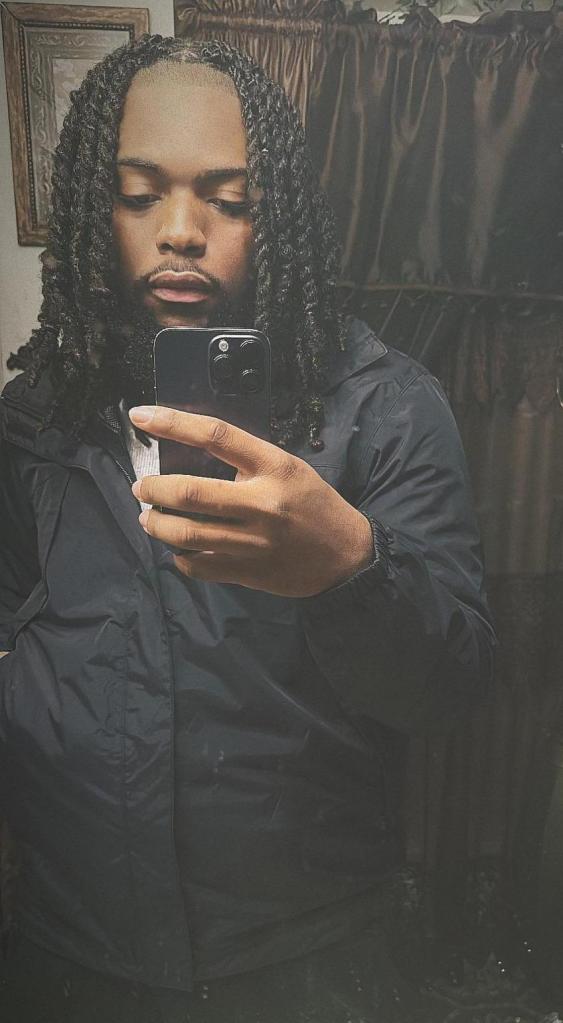
Cold Cases After Dark
There are moments in life that begin like any other night. Friends gather, engines rumble, music echoes through parking lots, and young people laugh as they admire customized cars under the glow of streetlights. It is the kind of summer evening that feels carefree—one where memories are supposed to be made.
For 17-year-old Aaizeem Korden-Brown, that was likely the expectation on the night of August 20, 2023.
Instead, it became the last night of his life.
A Night at the Car Meet
Shortly after 2:00 a.m., hundreds of people had gathered at an unsanctioned car meet at the Delaware Logistics Center on Bear Corbitt Road in New Castle, Delaware. Events like these have become increasingly popular across the country, drawing crowds to admire vehicles, socialize, and enjoy the automotive culture.
According to investigators, approximately 100 vehicles had gathered when the event was beginning to disperse. Somewhere in the crowd, an argument erupted.
Within moments, the argument escalated into gunfire.
Witnesses described chaos.
People ran in every direction. Tires squealed as drivers attempted to escape. The excitement of the evening instantly transformed into panic.
When Delaware State Police arrived, they found Aaizeem suffering from multiple gunshot wounds. Another young man, 21 years old, had also been shot in the foot.
Aaizeem was rushed to a nearby hospital.
Despite every effort to save him, he died from his injuries. He was only 17 years old.
More Than a Headline
When I read cases like this, I try to remember that victims are far more than names in police reports.
Aaizeem wasn’t simply “the teenager killed at a car meet.”
He was someone’s son.
Someone’s friend.
Someone whose family expected him to come home.
One of the hardest parts of covering cold cases is remembering that every unsolved homicide leaves two sets of victims—the person whose life was taken and the family forced to continue living without answers.
No parent should have to wonder who pulled the trigger.
No family should have to wait years hoping someone finally decides to tell investigators what they know.
A Community That Knows the Truth
One detail has always stood out to me.
This wasn’t an isolated location with only two or three witnesses.
There were dozens—possibly hundreds—of people there.
Many almost certainly recorded videos throughout the night.
Modern car meets are filled with phones, livestreams, dash cameras, GoPros, and social media posts.
Someone saw something.
Someone knows who fired those shots.
Whether it was the shooter, someone standing beside them, or someone who overheard conversations afterward, the odds strongly suggest that multiple people know exactly what happened.
Yet, despite that reality, the case remains unsolved.
Silence Can Be Deadly
One of the most frustrating aspects of cases involving large crowds is the wall of silence investigators often encounter.
People may fear retaliation.
Some worry about incriminating themselves for attending an illegal gathering.
Others simply don’t want to become involved.
But silence protects only one person:
The killer.
Every day that passes without accountability is another day Aaizeem’s family is left waiting for justice.
My Perspective as a Criminal Justice Major
As someone studying criminal justice, I often look beyond the obvious question of “Who committed the crime?”
I also ask:
Why has this case remained unsolved despite so many potential witnesses?
Several possibilities come to mind.
Theory 1: The Shooter Wasn’t the Original Target
Based on the public facts, it is possible that Aaizeem was not the intended target.
Large fights involving multiple participants create confusion, poor visibility, and split-second decision-making. If someone fired recklessly into a crowd, the intended target may have escaped while Aaizeem became an unintended victim.
Unfortunately, mistaken-identity shootings happen far too often during chaotic confrontations.
Theory 2: Witnesses Fear Retaliation
Large gatherings often involve interconnected friend groups.
If witnesses personally know the shooter—or believe the shooter belongs to a dangerous group they may remain silent out of fear.
Fear can become one of the greatest obstacles investigators face.
In many homicide investigations, solving the case depends less on forensic evidence and more on convincing reluctant witnesses that speaking is safer than staying silent.
Theory 3: Digital Evidence Exists but Hasn’t Been Shared
This case occurred in 2023.
Almost everyone present likely carried a smartphone.
Some attendees probably recorded burnouts, racing, conversations, or the argument that preceded the shooting.
Even if the actual shooting wasn’t captured, surrounding video could reveal:
- who arrived together,
- who left immediately afterward,
- where individuals were standing,
- or vehicles associated with those involved.
Sometimes investigators don’t need footage of the shooting itself.
They only need the moments before and after.
Theory 4: The Argument Began Earlier
I also wonder whether the confrontation actually started before anyone arrived at the car meet.
Arguments today frequently begin online through social media, text messages, or group chats before continuing in person.
If investigators can reconstruct those earlier interactions, they may discover that the shooting was not spontaneous at all—but rather the tragic conclusion of an ongoing dispute.
Why Cases Like This Matter
Aaizeem’s murder is another reminder that violence can unfold in seconds, forever changing countless lives.
A teenager left home expecting a night with friends.
His family never got to welcome him back.
As long as someone knows the identity of the shooter, this case remains solvable.
Justice doesn’t expire.
Memories may fade, but guilt has a way of resurfacing. Relationships change. Loyalties shift. People who once stayed silent sometimes decide they can no longer carry the weight of what they know.
For Aaizeem Korden-Brown and everyone who loved him, I hope that day comes sooner rather than later.
References
- Delaware State Police. Update: Victim Identified – State Police Detectives Investigate Homicide at Unsanctioned Car Meet. August 21, 2023.
- Delaware State Police Cold Case Bulletin. Case Number 02-23-76258 – Aaizeem Korden-Brown.
- CBS Philadelphia. 17-year-old killed in double shooting at “unsanctioned car meet” in Delaware. August 20, 2023.
- CNN/WPVI via KTVZ. 17-year-old killed after shooting erupts at unsanctioned car meet in Delaware. August 23, 2023.


Leave a comment