
Bay Village Police Department
Google Images
The Murder of Amy Mihaljevic
By Cold Cases After Dark
There are moments in every parent’s life that become routine.
Walking a child to school.
Waiting at the bus stop.
Answering the telephone.
On an ordinary afternoon in October 1989, a single phone call changed everything for one Ohio family.
It sounded harmless.
A friendly man claimed he wanted to help a little girl surprise her mother with a special gift.
Instead, that phone call became the beginning of one of America’s most haunting unsolved child murders.
More than thirty-five years later, investigators still don’t know who took Amy Mihaljevic, or who ended her life.
But someone does.
And perhaps even more chilling…
That person has lived among us all this time.
A Bright Young Girl
Amy Renee Mihaljevic was only ten years old.
She lived in Bay Village, Ohio, with her mother, Margaret, and was known for her bright smile, kindness, and love of school. Friends remembered her as mature for her age, thoughtful, and excited about life.
Like many children in the late 1980s, Amy enjoyed walking with friends after school and spending time at the local shopping plaza.
Back then, communities often felt safer.
Children had more independence.
Parents trusted that neighbors looked out for one another.
Unfortunately, predators understood that trust too.
The Phone Calls
Several girls in Bay Village later reported receiving unusual phone calls.
The caller claimed to know their parents from work.
He said one of their parents had received a promotion.
He wanted help selecting a surprise gift.
Some girls thought the calls sounded strange.
Amy believed the story.
Investigators later concluded the caller had carefully selected children whose mothers worked outside the home, suggesting he had spent time learning about potential victims before making contact.
This wasn’t random.
It appeared planned.
October 27, 1989
Friday afternoon.
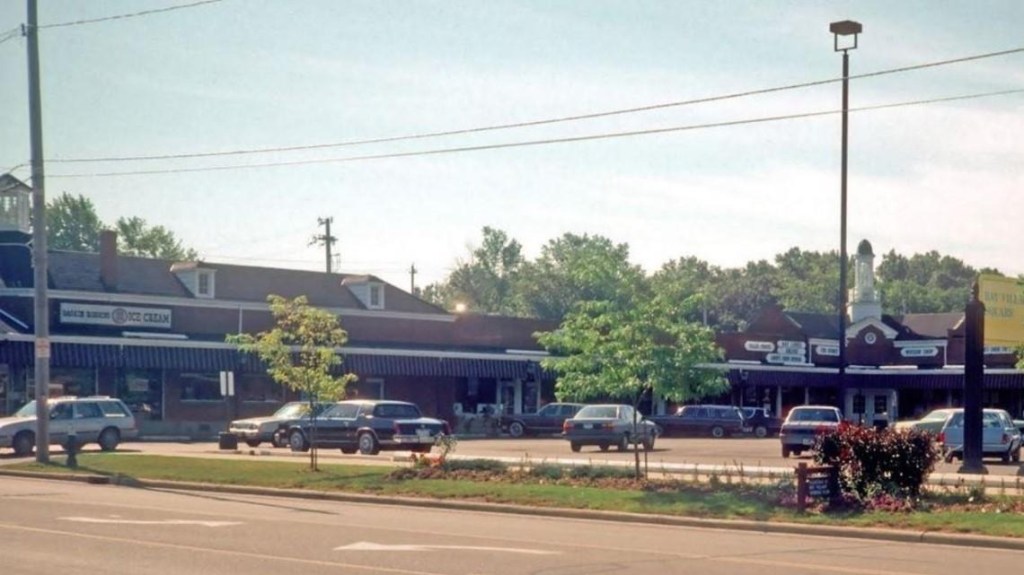
Amy left school expecting to meet the mysterious caller at the Bay Square Shopping Center.
She told her mother she planned to buy a gift.
She was wearing a turquoise horse-print sweatshirt, jeans, and boots.
Friends walked with her part of the way before saying goodbye.
It was the last confirmed time anyone who knew Amy saw her alive.
When she didn’t return home, panic spread quickly through Bay Village.
Parents searched neighborhoods.
Police organized one of the largest missing child investigations Ohio had ever seen.
Volunteers covered miles of roads and woods hoping to find her before nightfall.
They never did.
A Tragic Discovery
On February 8, 1990, nearly four months later, a jogger discovered Amy’s body in a rural field in Ashland County, approximately fifty miles from where she disappeared.
The location suggested her killer had knowledge of the area or had traveled there intentionally.
Investigators determined Amy had been murdered the same day she disappeared.
The realization devastated her family.
For months they had hoped she would walk through the front door.
Instead, they received the news every parent fears.
A Case That Never Went Cold
Unlike many investigations, Amy’s murder has remained remarkably active.
Thousands of tips poured in over the years.
Investigators interviewed hundreds of people.
Dozens of suspects were examined.
Modern forensic testing has repeatedly been used on preserved evidence.
The FBI, Ohio Bureau of Criminal Investigation, and Bay Village Police have all continued working the case.
In recent years, renewed DNA testing and advanced forensic techniques have given investigators hope that evidence once considered unusable may eventually identify Amy’s killer.
That hope remains alive today.
The Mystery Green Curtain
One of the most intriguing pieces of evidence is a green curtain or blanket-like fabric containing rare fibers found with Amy’s body.
Investigators believe those fibers may have originated from the location where Amy was held or transported.
The material has become one of the most recognizable forensic clues in the investigation.
To this day, detectives continue asking the public whether anyone recognizes it.
Sometimes solving a cold case isn’t about identifying a suspect first.
Sometimes it’s about identifying an object.
My Perspective as a Criminal Justice Major
(Opinion – Not Established Fact)
As someone studying Criminal Justice, Amy’s case illustrates how offender behavior can sometimes reveal as much as physical evidence.
The following theories are my personal observations based on publicly known facts.
Theory 1: The Offender Conducted a “Victim Selection Process”
Many discussions focus on Amy herself.
I think the investigation should also focus on the girls who weren’t abducted.
Several children received nearly identical phone calls.
That tells me the offender wasn’t fixated exclusively on Amy.
Instead, he appears to have been testing potential victims until one accepted his invitation.
In criminology, this resembles a victim selection process rather than a spontaneous opportunity.
Understanding why Amy accepted—and why the others declined—may provide important insight into the offender’s planning.
Theory 2: The Shopping Center Was Chosen Because It Reduced Suspicion
The Bay Square Shopping Center wasn’t simply convenient.
It was public.
Busy.
Familiar.
Parents expected children to be there.
Meeting in a public location allowed the offender to appear trustworthy while minimizing immediate suspicion.
Ironically, the very place that should have been safest became the perfect setting for manipulation.
Theory 3: The Killer May Have Practiced the Conversation
One aspect I rarely see discussed is the phone call itself.
The caller knew how to sound convincing.
He anticipated questions.
He created an emotional hook by mentioning Amy’s mother.
That level of confidence makes me wonder whether he rehearsed the conversation repeatedly before ever making the first call.
Offenders who groom victims often refine their approach through repetition, learning which words create trust and which create hesitation.
Theory 4: Geographic Familiarity May Be More Important Than Residence
Many theories assume the killer either lived in Bay Village or Ashland County.
I think that’s too narrow.
Someone can know an area extremely well without living there.
Construction workers.
Sales representatives.
Delivery drivers.
Utility employees.
Hunters.
Outdoor enthusiasts.
From a Criminal Justice perspective, familiarity with both locations may matter more than permanent residence.
Investigators may benefit from focusing on people whose occupations regularly connected suburban Cleveland with rural Ashland County.
Theory 5: Someone Dismissed Their Instincts
Cases involving child predators often leave behind one common thread.
Someone remembers an uncomfortable interaction.
A strange neighbor.
An odd comment.
A person who paid unusual attention to children.
But because no crime had yet occurred, those concerns were dismissed.
I believe someone encountered Amy’s killer before October 27, 1989, and experienced a moment that felt “off.”
The challenge is helping that person realize—even decades later—that their memory could still matter.
A Lesson in Criminal Justice
One of the most valuable lessons Amy’s case teaches is that offender behavior often begins long before the crime itself.
The phone calls.
The planning.
The knowledge of family routines.
The carefully crafted story.
Every one of those actions was part of the crime.
Understanding pre-offense behavior may ultimately prove just as important as identifying forensic evidence.
Remembering Amy
When people discuss this case, they often remember the mystery.
The phone call.
The shopping plaza.
The fibers.
The unidentified suspect.
But before Amy Mihaljevic became one of America’s most famous cold cases, she was simply a ten-year-old girl excited about surprising her mom with a gift.
She trusted someone who didn’t deserve that trust.
Her family has spent more than three decades waiting for justice.
Investigators have never stopped looking.
And neither should we.
Because somewhere, someone still remembers a phone call, a green curtain, a suspicious acquaintance, or a conversation that finally makes sense after all these years.
Until that day comes, Amy’s story deserves to be told.
At Cold Cases After Dark, we’ll continue telling it.
Until Every Case is Solved.
Sources
- FBI – Amy Mihaljevic case information.
- Bay Village Police Department – Amy Mihaljevic Investigation.
- Ohio Bureau of Criminal Investigation (BCI).
- The Plain Dealer (Cleveland) archives.
- News 5 Cleveland (WEWS) – ongoing coverage of investigative developments.
- WKYC Studios – updates on DNA testing and evidence.
- FOX 8 Cleveland – anniversary reports and interviews with investigators.


Leave a comment